
Xiaomi introduced the Civi series two years ago, it upholds three major product concepts: slim design, exquisite feel, and quality beauty. Xiaomi Civi leads Xiaomi’s foray into the selfie and aesthetics-focused smartphone market. While expanding the Xiaomi smartphone product line, it also allows Xiaomi phones to reach a broader and more segmented consumer base. After two years, the Xiaomi Civi has undergone a revolutionary transformation with its third-generation product. On May 25th, Xiaomi Civi 3 was officially released in Beijing time.
According to the official description, Xiaomi Civi 3 boasts the most confident appearance in the Civi series, the most advanced portrait concept, the most hardcore performance experience, the most durable smoothness, and the most comprehensive imaging configuration, among other “superlatives.” Judging from the continuous preheating by Xiaomi prior to the release, the company is brimming with confidence in this new device.
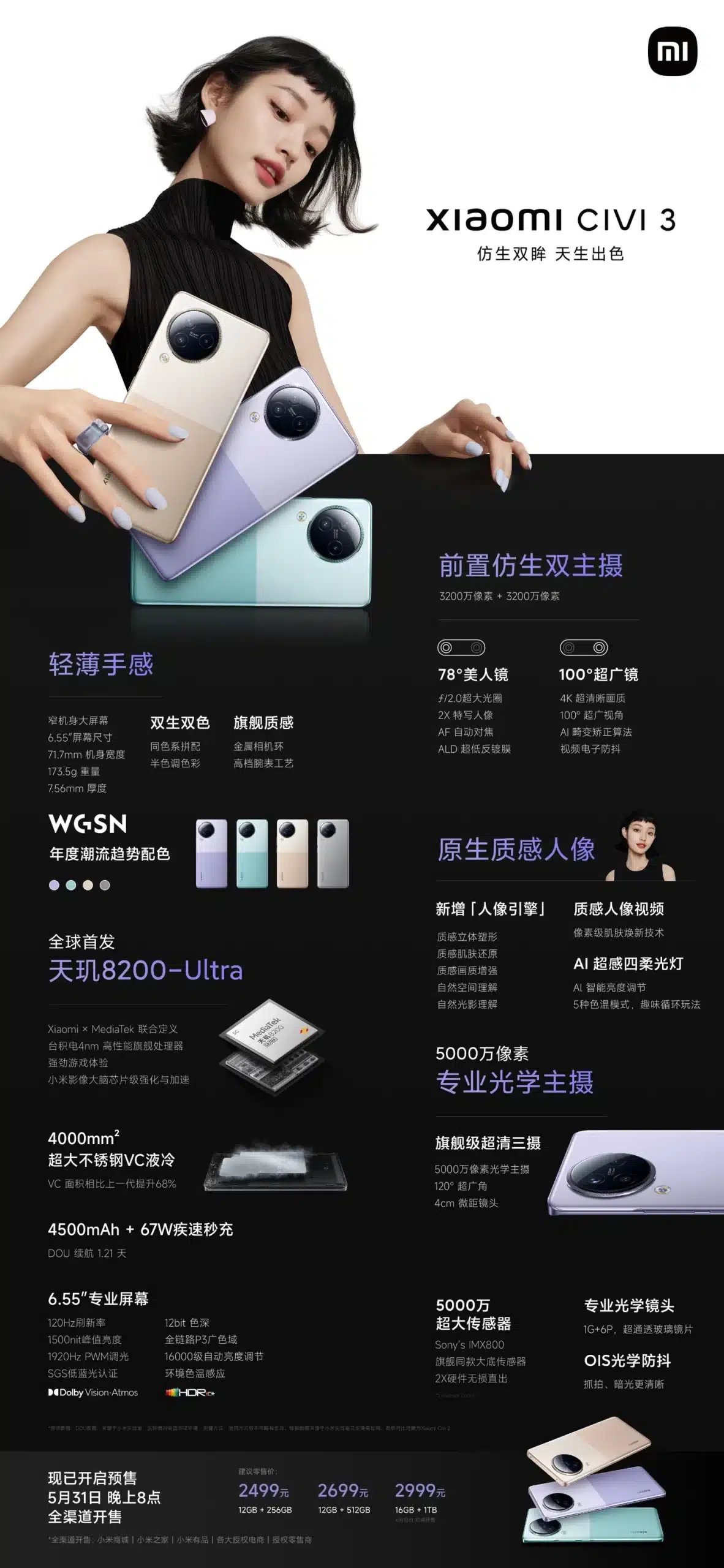
So, how is the experience of Xiaomi Civi 3? What unique features does it bring to the current smartphone market in terms of imaging, design, and feel? In the following article, Gizcoupon will provide a detailed experience review of this new product. Let’s take a look!
Part 1: Xiaomi Civi 3 exterior design
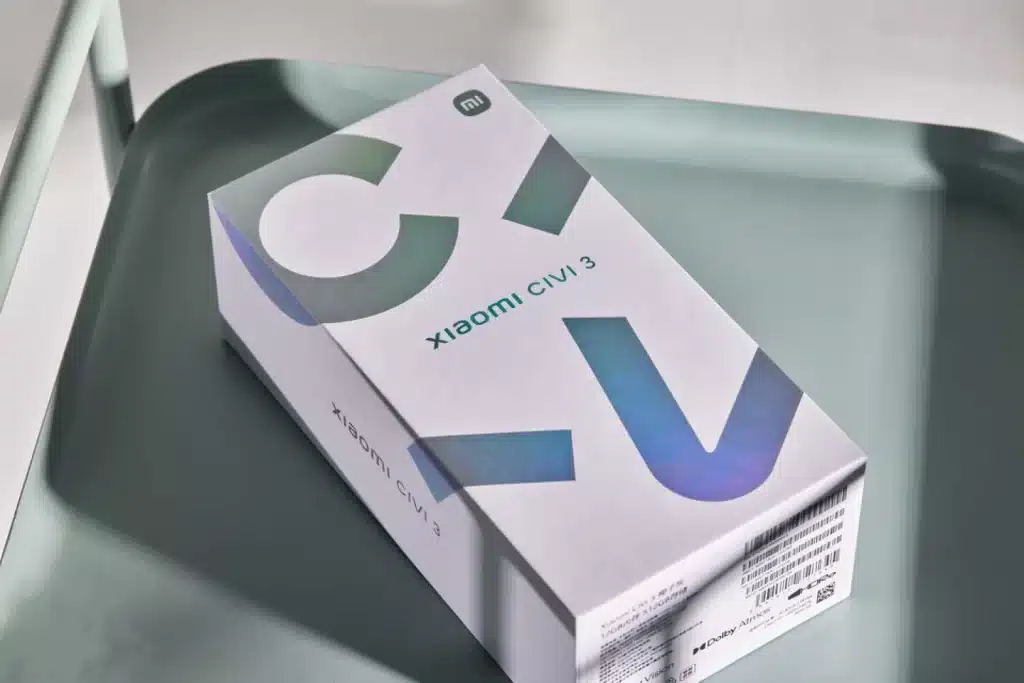
Let’s start with the packaging design. Xiaomi Civi 3 continues the design language of its predecessors. The white box is imprinted with laser-engraved Civi, and the product model, with a logo design that exudes an artistic touch.
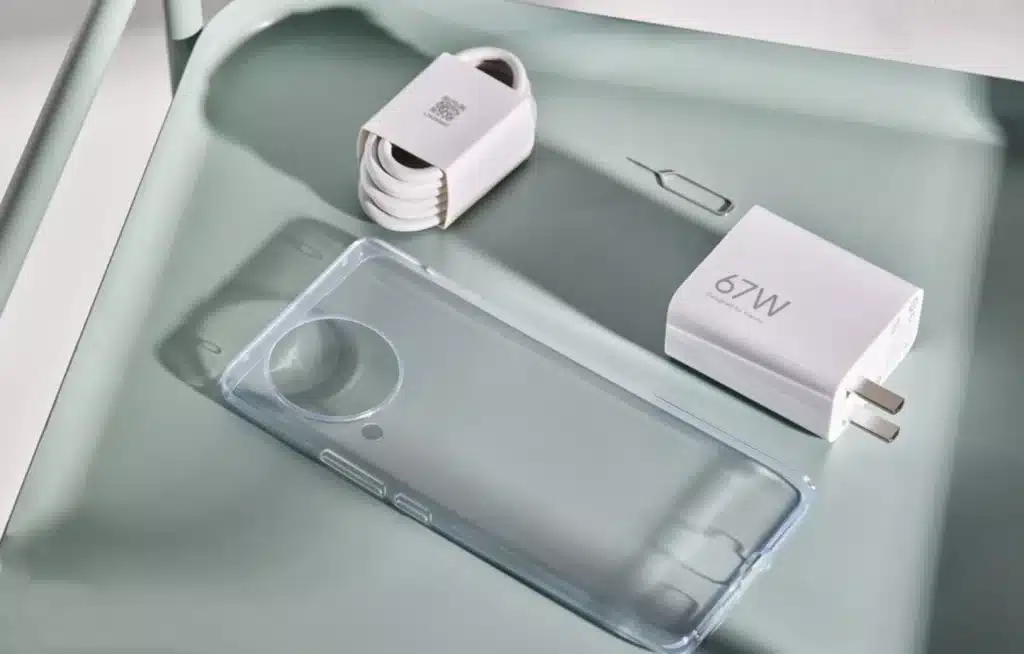
One commendable aspect is that Xiaomi Civi 3’s packaging includes a data cable, a 67W fast charger, and a transparent case as standard. It’s worth noting that the original Xiaomi Civi did not come with a charger.
Dual-tone design
Now, turning to the phone itself, Xiaomi Civi 3 offers four color options: Rose Purple, Mint Green, Serendipitous Gold, and Coconut Grey. The first three options adopt the “dual-tone” design.
According to the official description, Xiaomi collaborated extensively with the global trend forecasting agency WGSN. Based on extensive research into the behaviors and preferences of young users, the two parties have explored the trend for 2023-2024: dual-tone design.
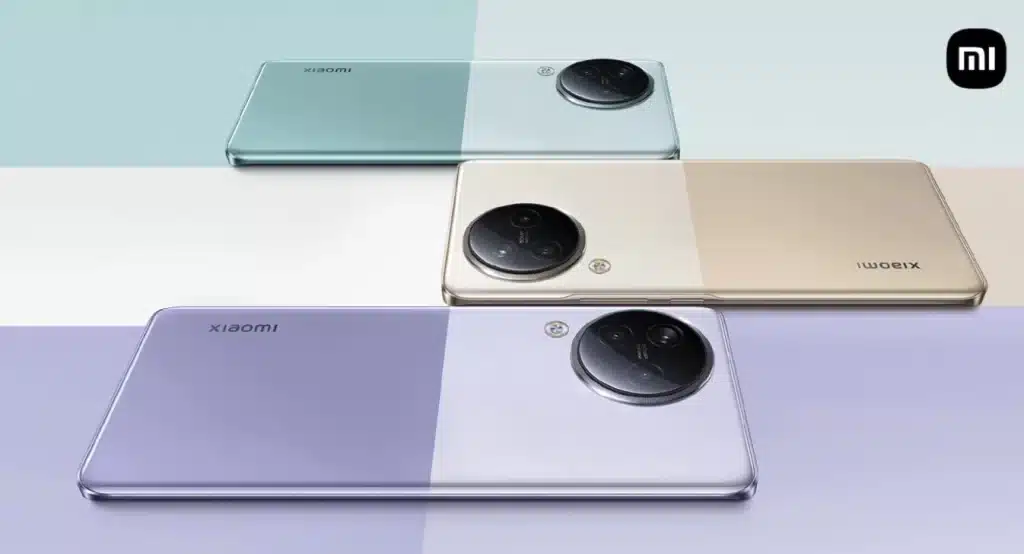
The “dual-tone” design features a 50-50 combination of colors within the same color palette. This semi-toned color scheme appears very gentle, fresh, and soft. At the same time, the color combination within the same palette adds a touch of playfulness, enhancing the product’s elegance and making it highly recognizable.
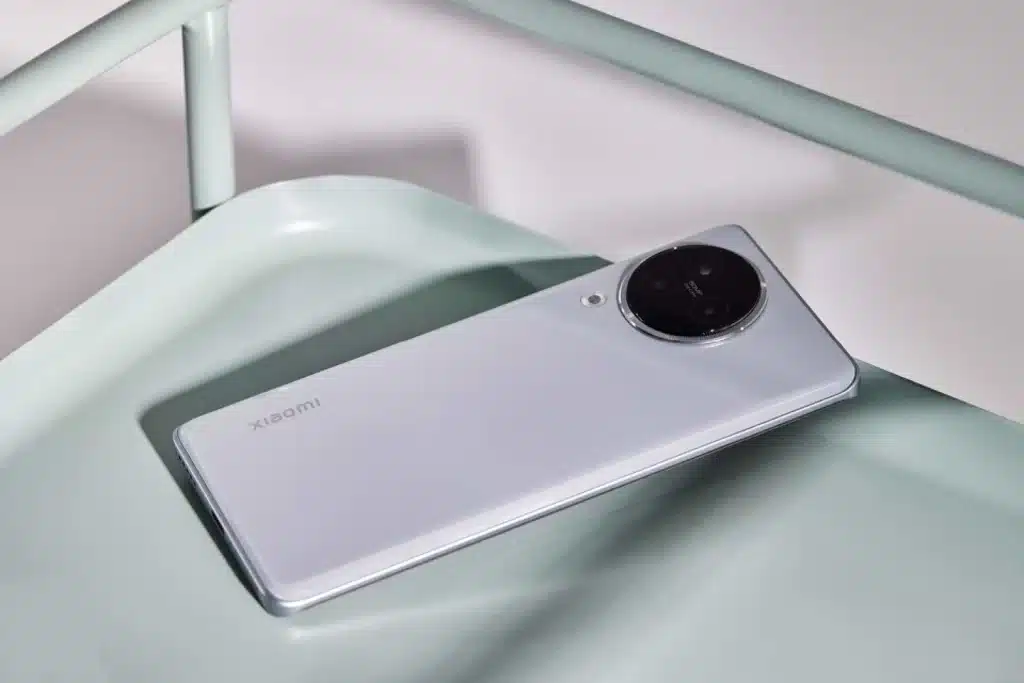
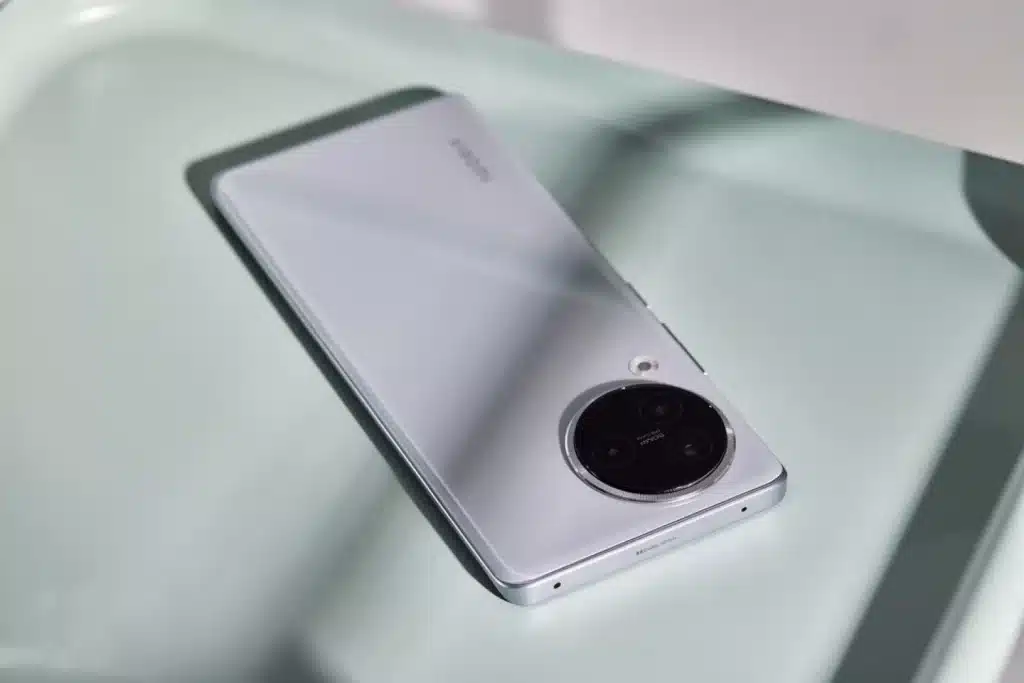
The version received by Gizcoupon is in Coconut Grey. Although it does not adopt the “dual-tone” design, this “neutral grey” is still quite appealing. Its tone leans slightly cool, with low saturation and a dominant grayscale. It exudes a subtle sense of understatedness without being too serious, making it very suitable for male users.
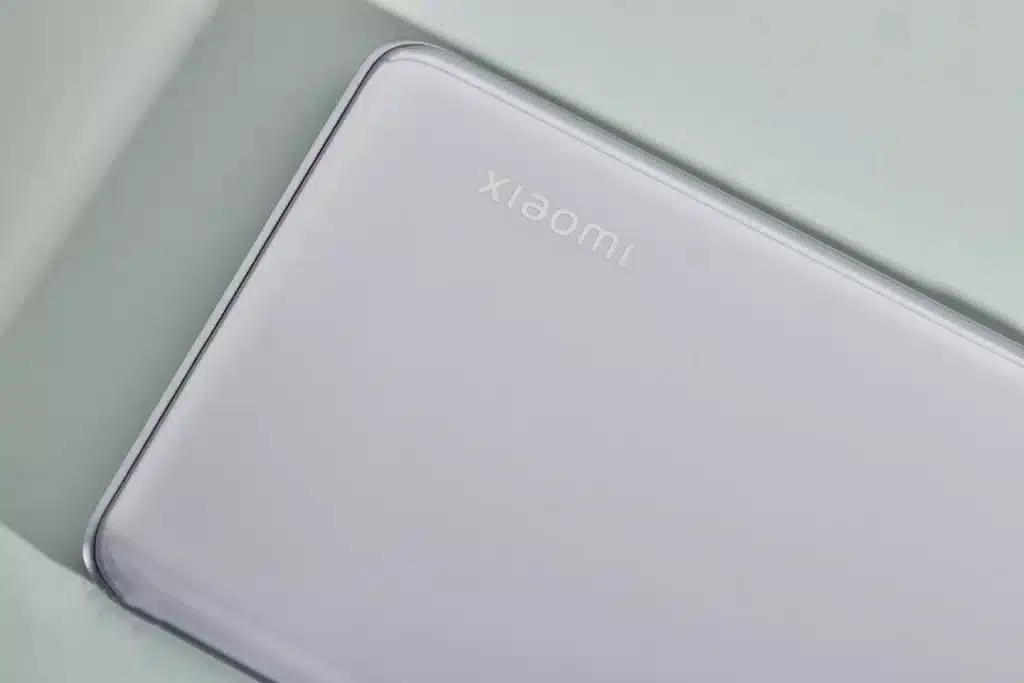
ID design
After discussing the color options, let’s delve into the ID design.
The camera module of the Xiaomi Civi 3 is located in the top left corner of the device and features a triple-camera setup. The circular module is surrounded by a metal dial, paying homage to a “metal camera ring” and replicating the triangular scales of a high-end wristwatch.
This iconic metal ring adds an exquisite touch to the entire camera module.
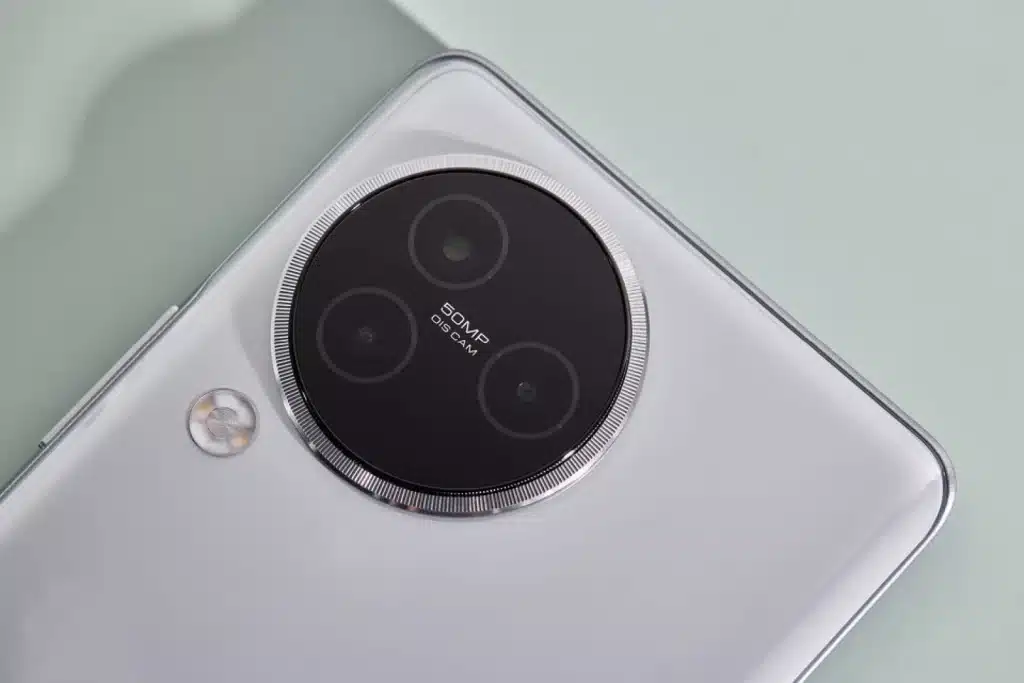
Below the camera is a ring-shaped flash. Considering the significant blank space around the lens, this ring-shaped flash adds a finishing touch to the entire area, adding depth and dimension to the phone’s appearance.
Now, let’s examine the details of the design. Xiaomi Civi 3 adopts a super narrow middle frame measuring 2.25mm. The frame has chamfered edges, and the screen and battery cover are symmetrically distributed.
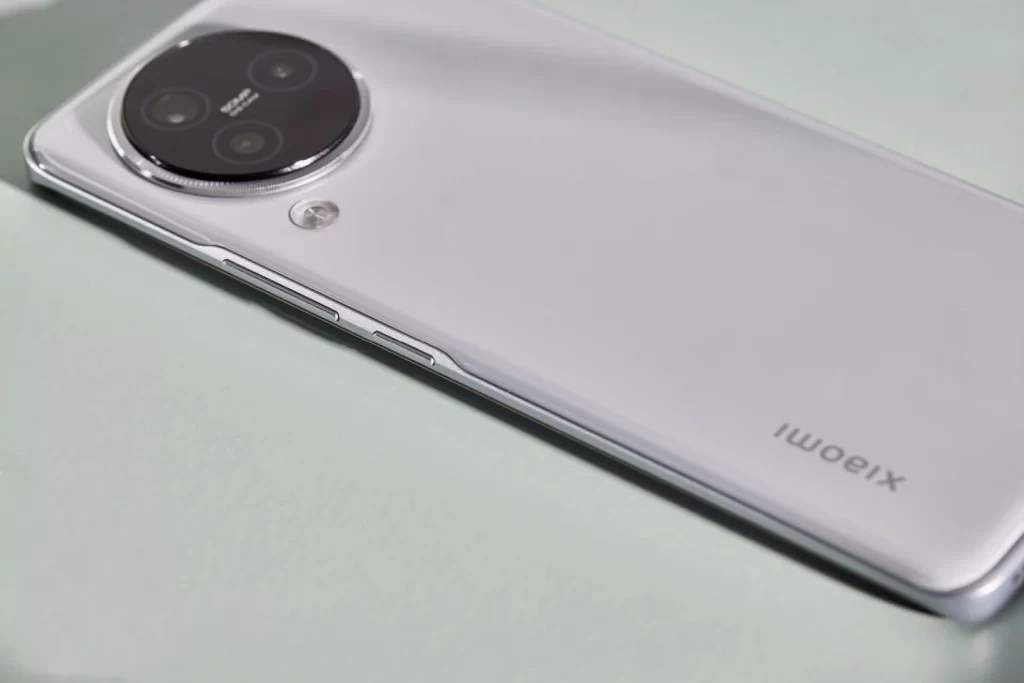
Of course, the plastic frame was expected. However, the sprayed coating is delicate, and it can be easily overlooked by ordinary consumers who focus on something other than this aspect.
Xiaomi Civi 3 front design
We are moving to the front of the device.
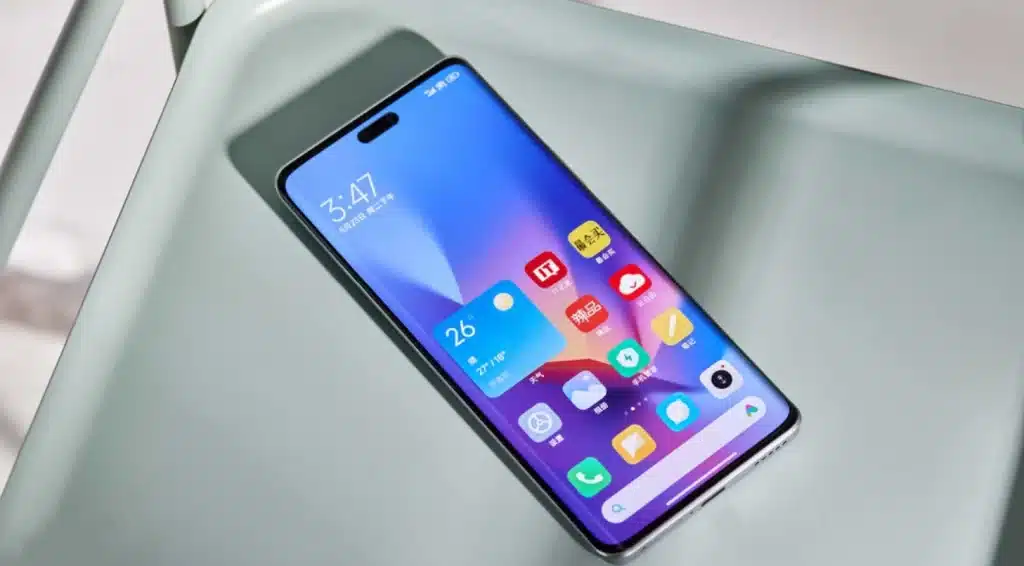
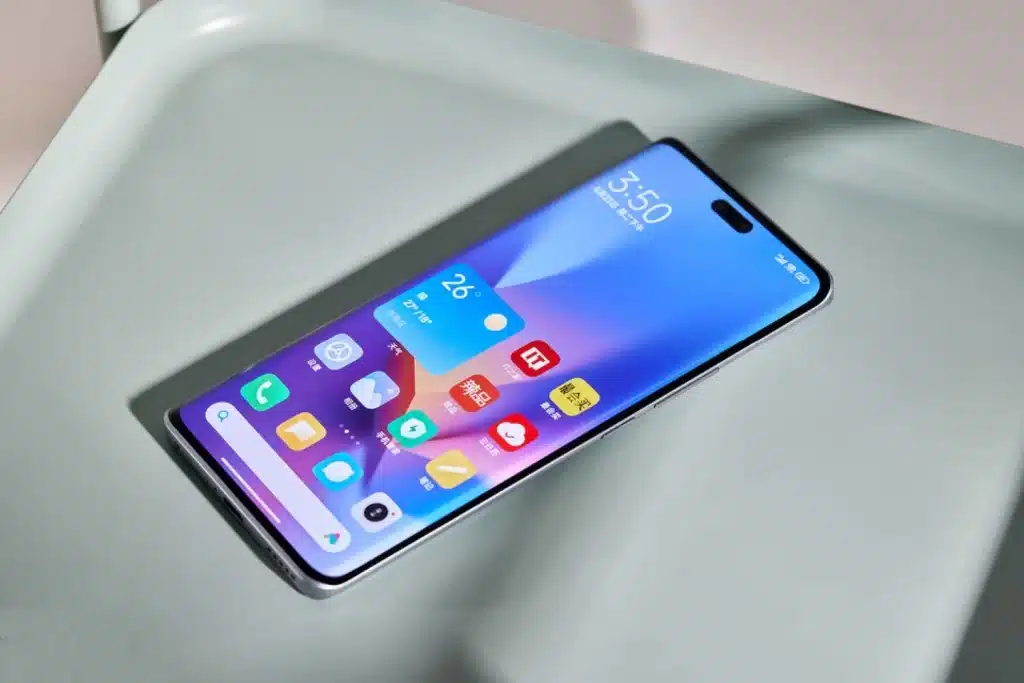
Xiaomi Civi 3 is equipped with a 6.55-inch 3D flexible AMOLED screen. It supports a 120Hz refresh rate and upgraded C6 luminescent material. Additionally, it reaches a peak brightness of 1200nits and a maximum brightness of 1500nits.
In terms of color accuracy, it achieves JNCD≈0.41 and dE≈0.50. The screen also supports 12-bit color depth. Furthermore, it features automatic brightness adjustment with a range of 16,000 levels and 1920Hz PWM dimming.
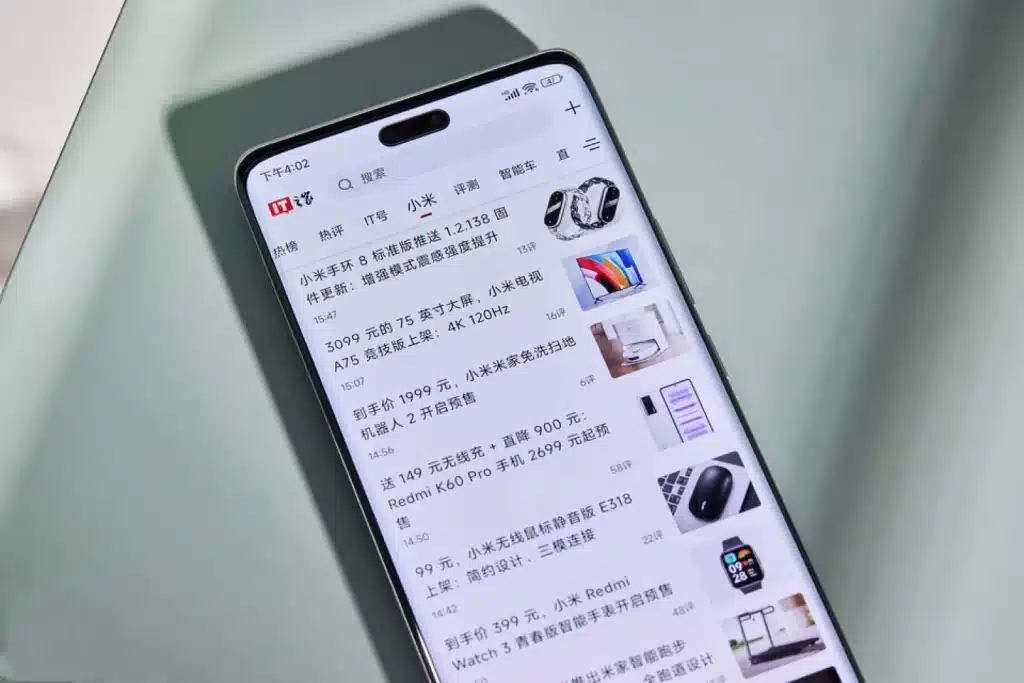
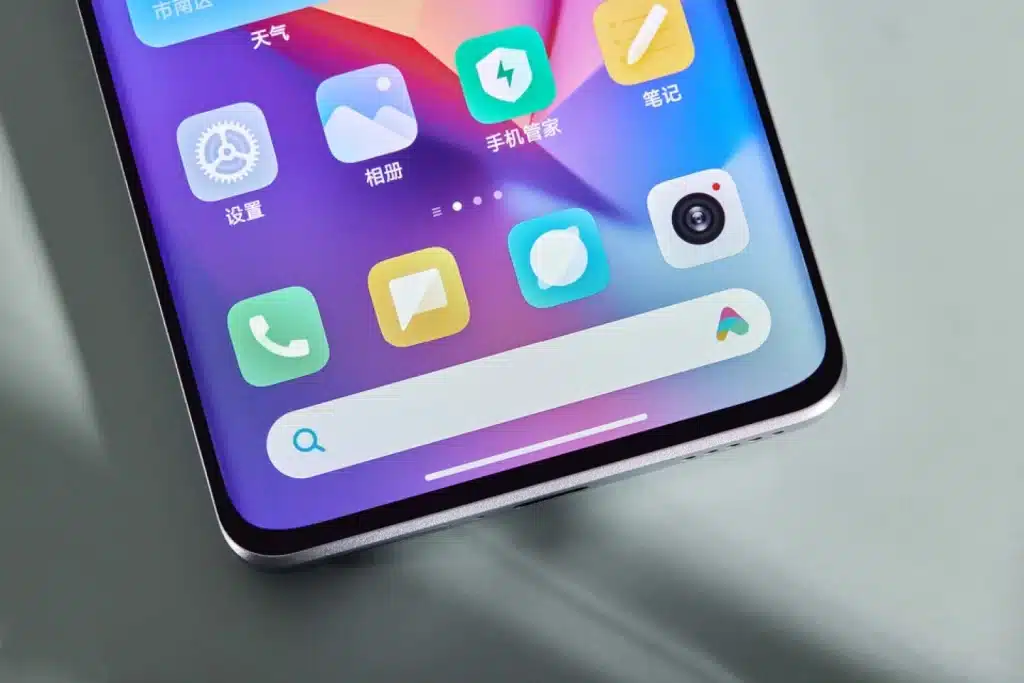
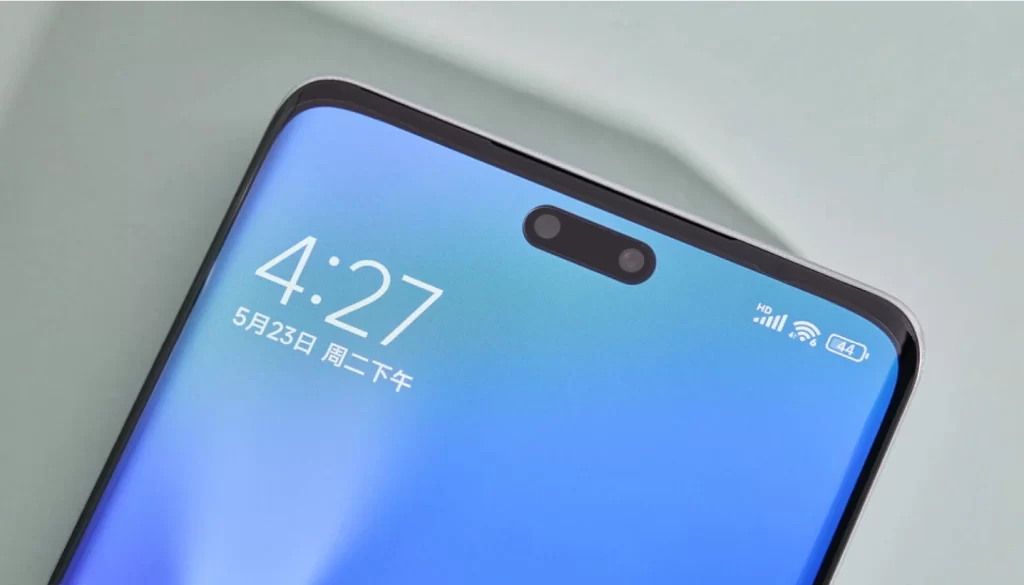
In terms of design, the screen’s curvature angle has increased from 58° in the previous generation to 59.5°, resulting in narrower black borders and a better fit in the palm. According to official data, the left and right black borders of Xiaomi Civi 3 measure 1.62mm, and the bottom border has been reduced to 2.4mm.
At the top of the screen are two “Bionic Dual Cameras” housed within pill-shaped cutouts. Although they might be considered a bit obtrusive, they bring enhanced front imaging capabilities.
Dimensions
One aspect of the Xiaomi Civi 3 design that particularly appeals to the author is its exceptionally thin and lightweight feel. The author won’t claim that Xiaomi Civi 3 is the most aesthetically pleasing Xiaomi phone currently available, but it is undoubtedly the best-feeling Xiaomi phone in recent times. The last Xiaomi phone that impressed the author with its feel was the plain leather edition of the Xiaomi 12.
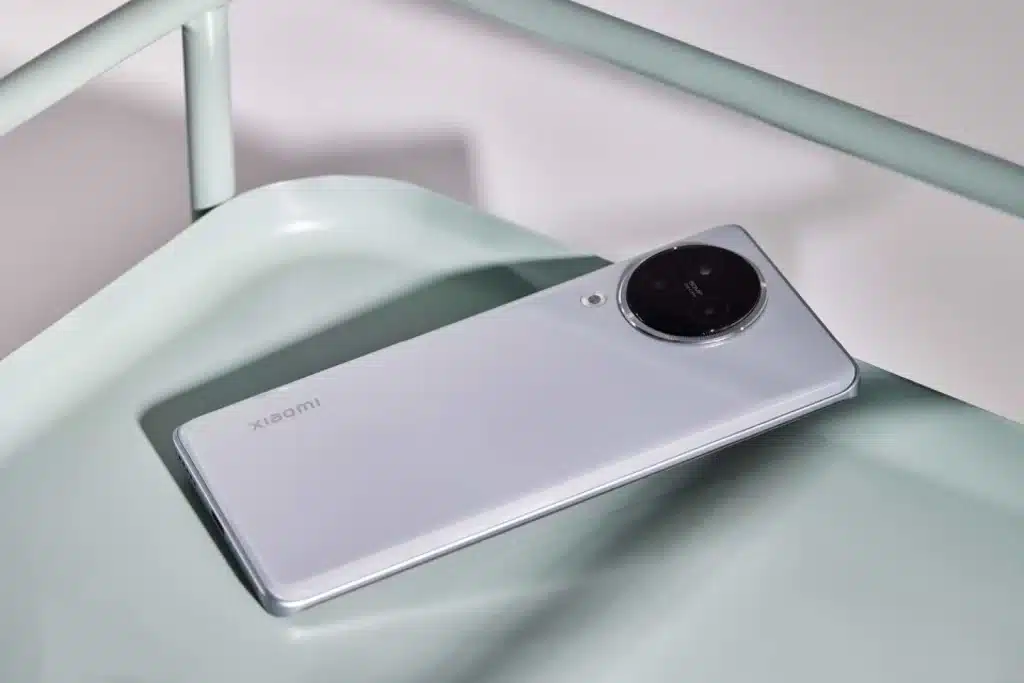
In terms of specifications, Xiaomi Civi 3 weighs 173.5g, and the overall width is only 71.7mm. Additionally, the device has a relatively slender body. Combined with its lightweight design, it is perfectly suited for one-handed operation.
Part 2: Xiaomi Civi 3 imaging experience
Let’s begin with the front camera setup. The Xiaomi Civi 3 boasts a 32MP 78° primary camera accompanied by a 32MP 100° ultra-wide-angle lens. The 78° front camera has an equivalent focal length of approximately 26mm and features a wide aperture of F2.0. It incorporates ALD (Anti-Light Diffusion) ultra-low reflective coating, supports AF (Auto Focus), and offers 2X portrait zoom capability. The 32MP 100° ultra-wide-angle lens supports the AI distortion correction algorithm and AI adjustment for group photos.
Moreover, both front cameras support 4K video recording.
On either side of these front cameras, between the upper middle frame and the screen, there are two soft lights with variable color temperatures, amounting to a total of four lights. These lights provide a wide color temperature range from 2000K to 6500K.
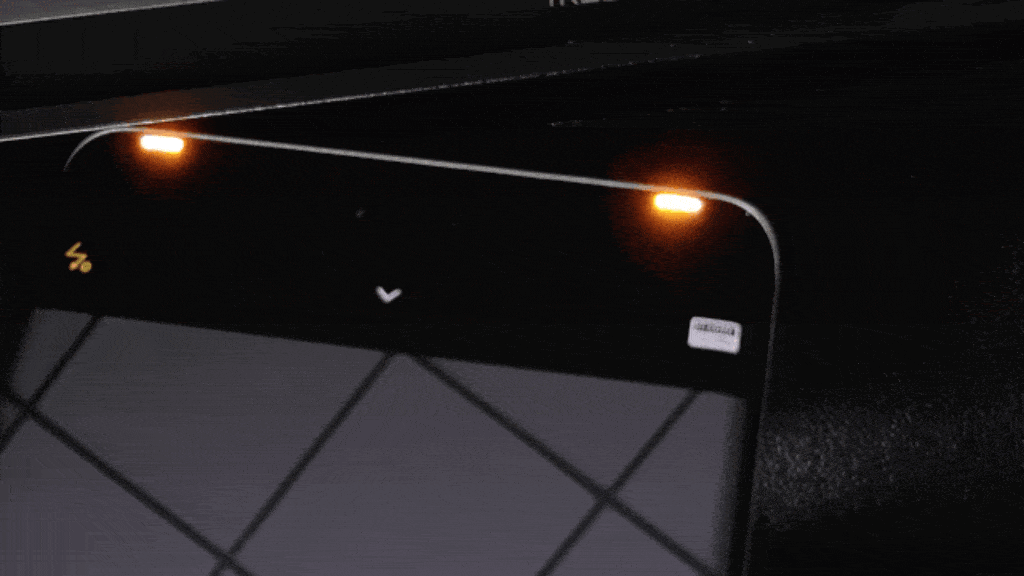
These four soft lights are adjustable in brightness and color temperature. They also support a cyclic mode, offering extensive customization options provided by Xiaomi.
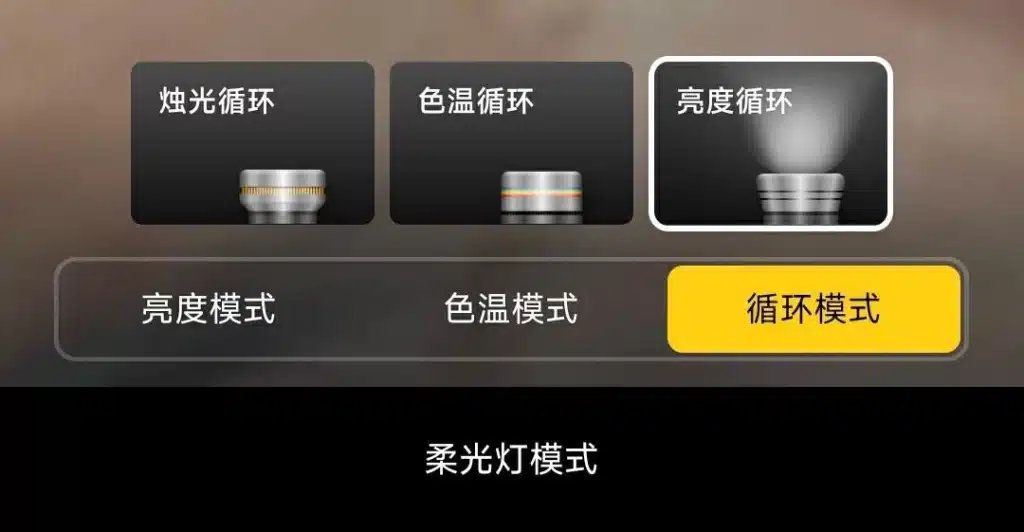
Additionally, Xiaomi has created a “Video Toolbox” specifically for these four soft lights. They can be utilized during video calls, Vlog creation, video conferences, and even in third-party apps.
In terms of algorithms, the Xiaomi Civi 3 incorporates the “Xiaomi Imaging Brain” capabilities. Furthermore, it introduces a new “Portrait Engine” module, consisting of two major units: Textured Portrait Unit and Natural Environment Unit.
Textured Portrait Unit
The Textured Portrait Unit includes three major technologies: textured 3D shaping, textured skin rendering, and textured image enhancement. On the other hand, the Natural Environment Unit encompasses natural space understanding and natural light and shadow comprehension.
All these efforts aim to enhance users’ appearance when capturing selfies with the Xiaomi Civi 3 front camera.
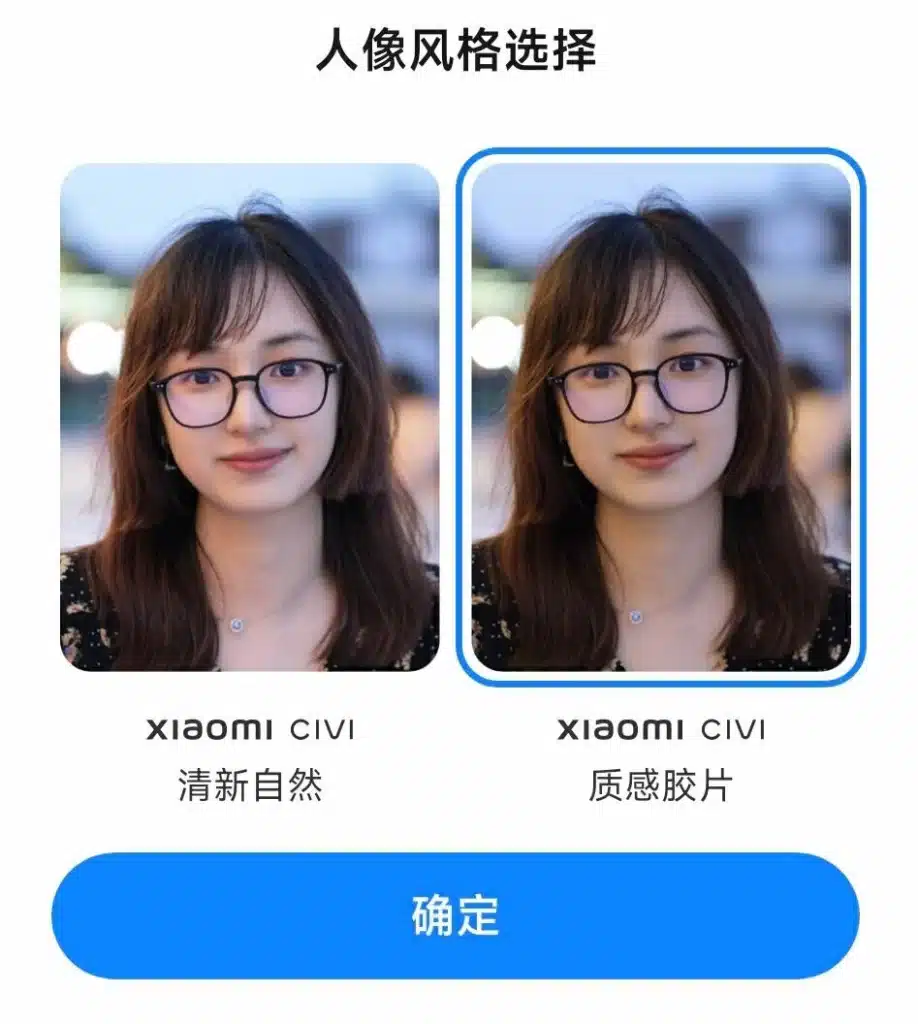
Notably, in terms of front-facing portrait styles, the Xiaomi Civi 3 also offers a “Dual-Quality Portrait” option, providing choices between “Fresh Natural” and “Textured Film.”
Let’s now take a look at some sample photos:

Xiaomi Civi 3 provides four focal lengths: 0.6x, 0.8x, 1x, and 2x
Firstly, the two front cameras provided by the Xiaomi Civi 3. They offer up to four focal lengths, including 0.6x, 0.8x, 1x, and 2x, which is even more versatile than the rear cameras, enriching the framing options for selfies or group shots.
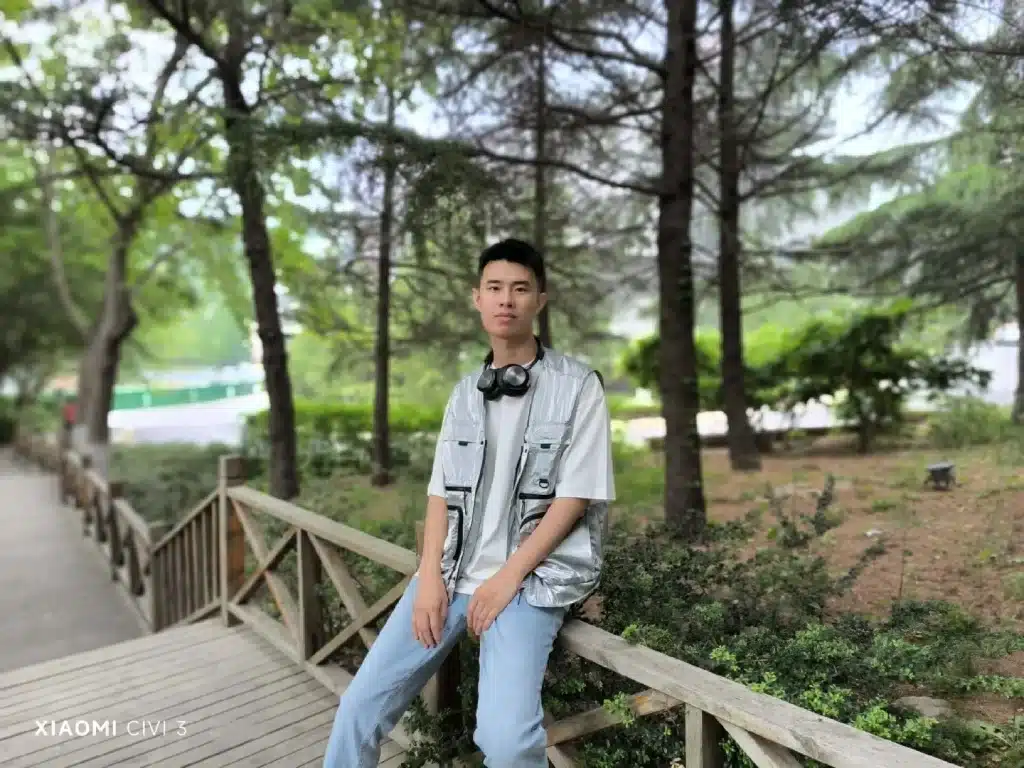
When it comes to front-facing selfies, the Xiaomi Civi 3 excels at faithfully reproducing facial structures. It adds depth to facial features while preserving the texture and details of the skin. It does not excessively whiten or brighten, resulting in a more natural appearance. Moreover, when selecting the “Textured Film” style, it highlights the “tonal feel,” creating a more distinct contrast and lower color saturation (such as the pine trees in the background).


The front portrait mode of the Xiaomi Civi 3 performs exceptionally well, as demonstrated in the sample photo above. If not emphasized, many might mistake it for a photo taken with the rear camera. The front-facing portraits captured by the Xiaomi Civi 3 showcase the natural contouring of the subject. Particularly in challenging areas such as hair strands, there are no visible flaws or overly smooth edges.
Rear camera
Moving on to the rear camera section, the Xiaomi Civi 3 features a Sony IMX800 primary camera with an f/1.77 large aperture and OIS (Optical Image Stabilization) for anti-shake support. It also supports 2X lossless zoom. The Sony IMX800 is the same primary camera used in the Xiaomi 13.
The other two lenses consist of an 8MP IMX355 sensor with a 120° ultra-wide-angle lens and a 2-megapixel “tactical” macro lens with a 4cm focal length.
Let’s examine the sample photo performance:
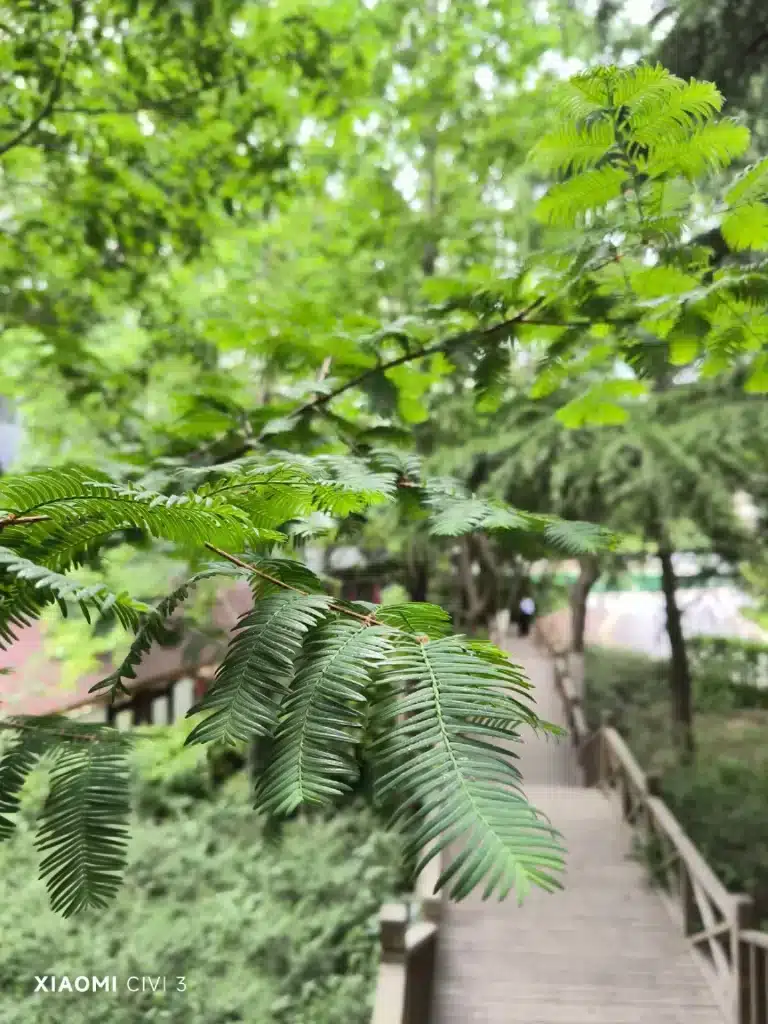

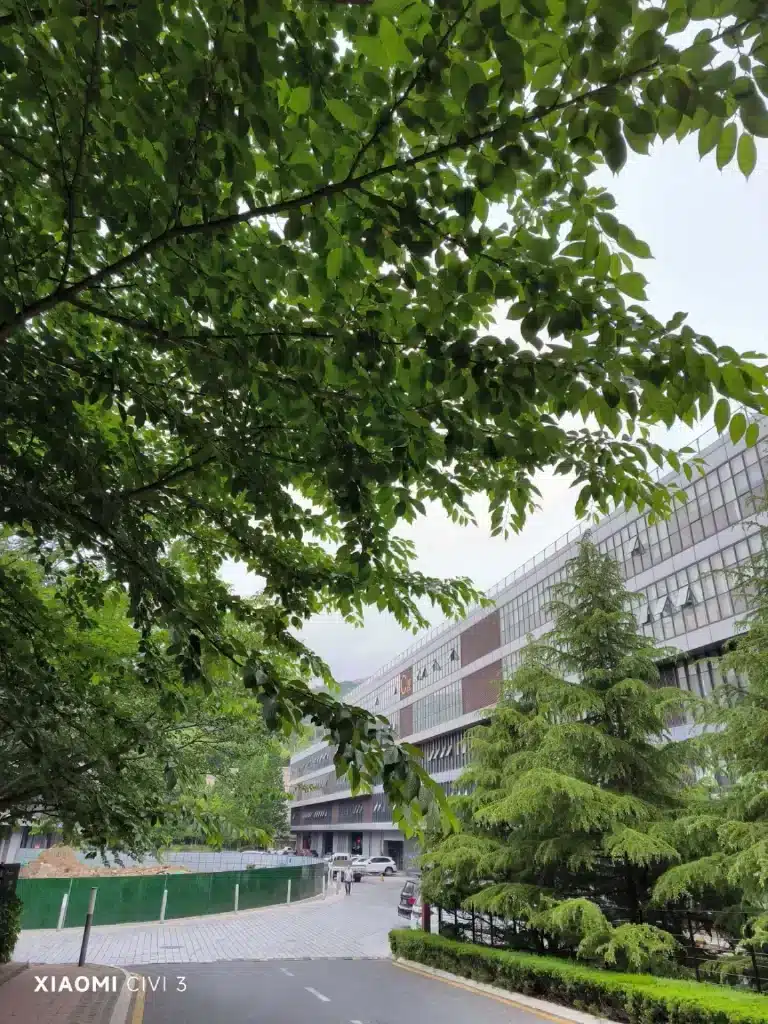
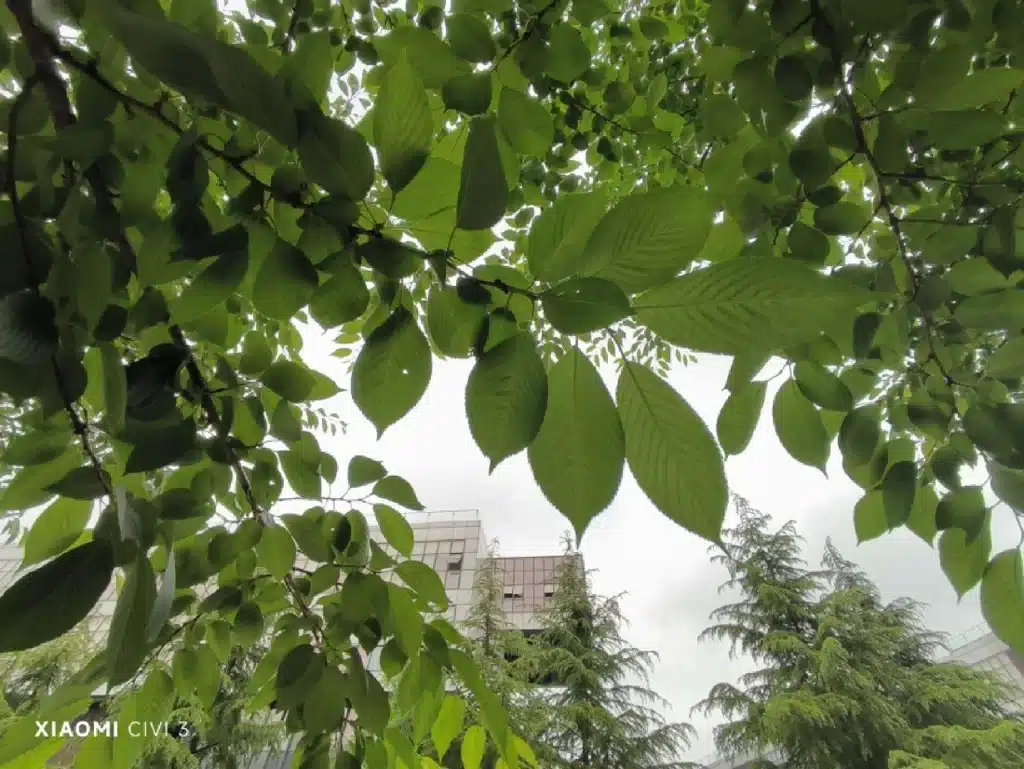
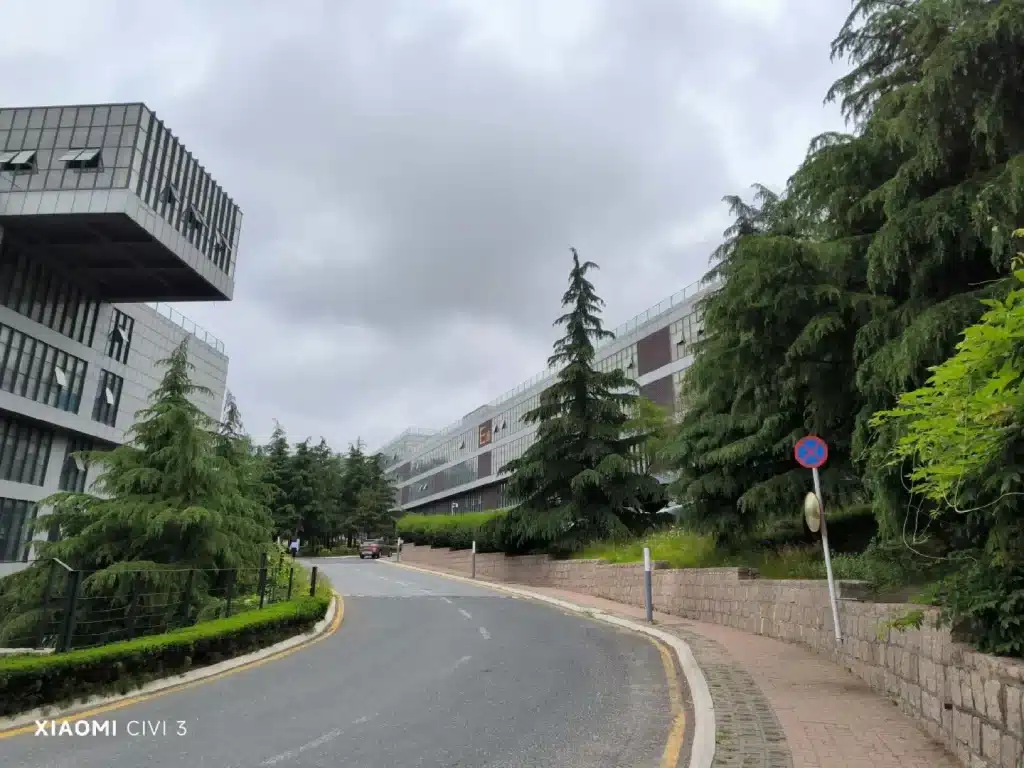


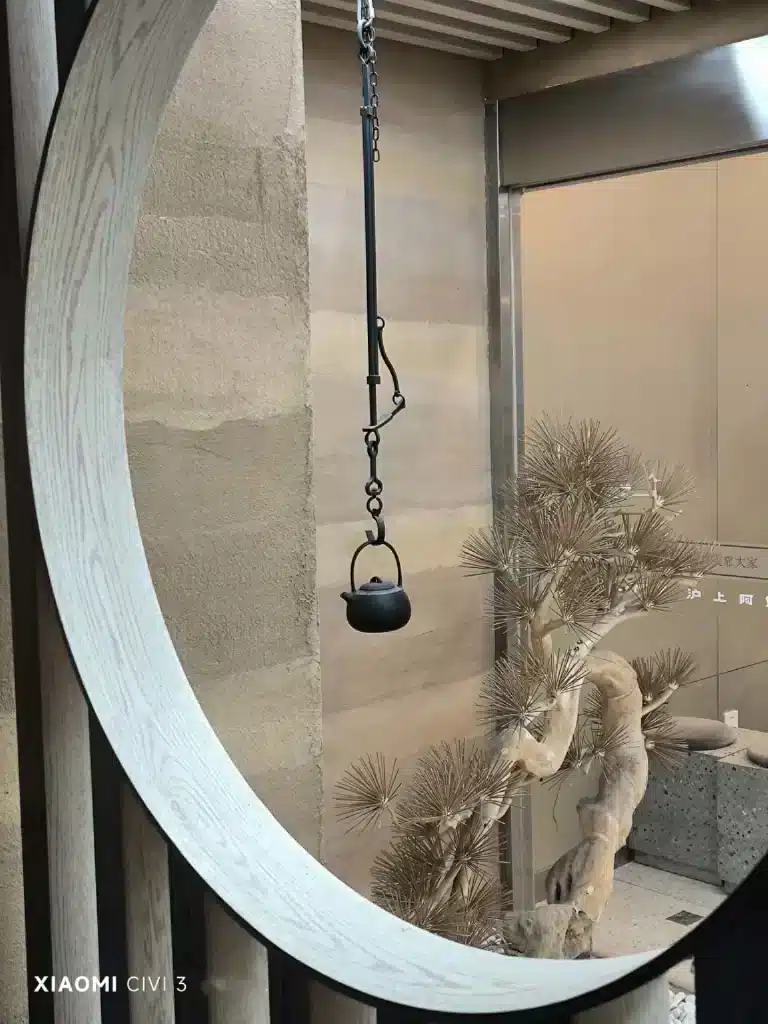
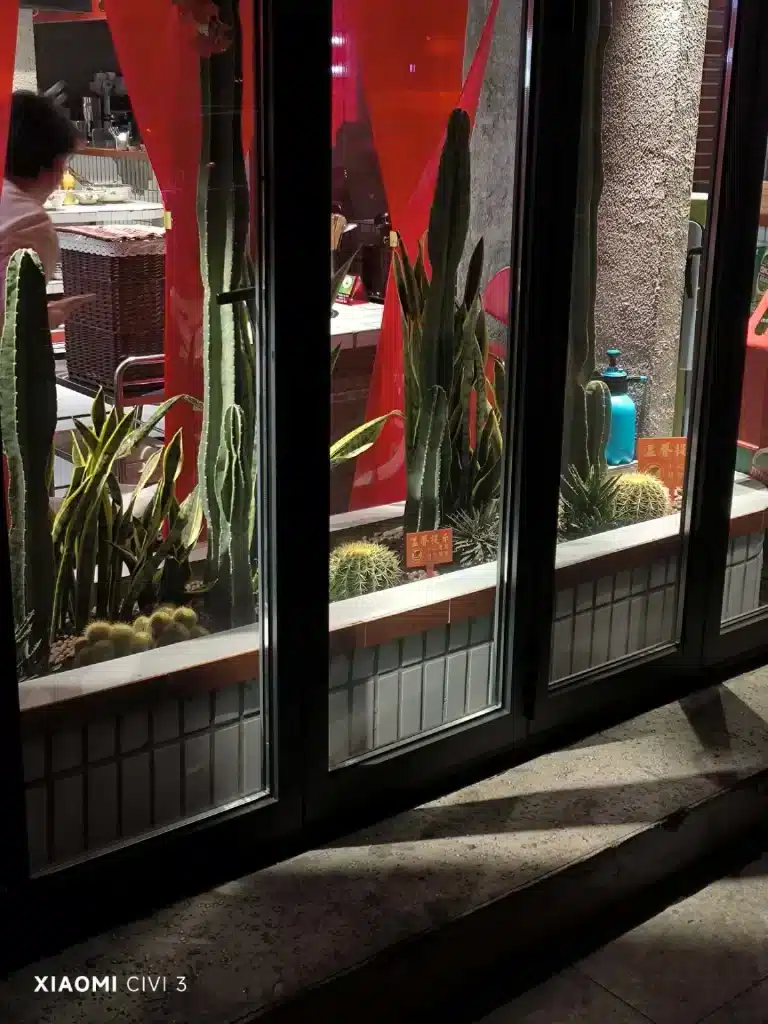
Based on the sample photos captured during both daytime and nighttime, the rear camera performance of the Xiaomi Civi 3 exceeded the author’s expectations, especially considering its price point starting at 2499 yuan.
The inclusion of the Sony IMX800 primary camera, the same as the Xiaomi 13, along with the Xiaomi Imaging Brain’s optimizations, allows the Xiaomi Civi 3 to deliver outstanding results in various environments. It excels in capturing spontaneous moments, providing a quick response when pressing the shutter button, and exhibiting minimal lag or stuttering during fast-paced continuous shooting. This significantly enhances the overall user experience.
Furthermore, the performance of the 2X zoom on the primary camera is also impressive, displaying excellent detail retention when zooming in. The ultra-wide-angle lens performs adequately, offering results within the expected range for its price segment.
In terms of low-light photography, there appears to be some room for improvement with the Sony IMX800. In challenging conditions, noise may be noticeable, and fine details may be lost. However, under slightly better lighting conditions, the performance remains satisfactory.
Part 3: Xiaomi Civi 3 performance experience
The Xiaomi Civi 3 made its global debut with the MediaTek Dimensity 8200-Ultra chipset. It is said that this chipset is tailored by MediaTek specifically for the Xiaomi Civi 3. The most significant change it brings is the integration of numerous imaging capabilities from Xiaomi’s Image Brain into the Dimensity chipset for the first time.
It is understood that more than 30 image algorithms of Xiaomi’s Image Brain have been fully enhanced and accelerated on the Dimensity 8200-Ultra. Additionally, various capabilities of Xiaomi’s Image Brain are available on demand. This achieves excellent image processing effects along with outstanding performance and power efficiency. It is worth mentioning that the continuous shooting speed of the Xiaomi Civi 3 has improved by 235% compared to the previous generation.
In other aspects, the Dimensity 8200-Ultra chipset doesn’t undergo significant changes. It still adopts TSMC’s 4nm process and features an octa-core CPU architecture, including one 3.1 GHz Cortex-A78 core, three 3.0 GHz Cortex-A78 cores, and four 2.0 GHz Cortex-A55 efficiency cores.
The Dimensity 8200-Ultra is available in three storage configurations: 12GB+256GB, 12GB+512GB, and 16+1TB. All of them come with UFS 3.1 flash storage, LPDDR5 memory, a 4500mAh battery, and 67W fast charging. Other features include a Z-axis linear motor, under-display fingerprint sensor, NFC, and infrared remote control.
Benchmark performance
Now let’s take a look at the performance benchmark score using AnTuTu (version 10).
The Xiaomi Civi 3 achieved a score of over 890,000 on the actual test. Compared to the previous generation’s Snapdragon 7 series, with a score of over 540,000, there is an improvement of more than 300,000 points. Furthermore, the storage test also reached the ceiling level of UFS 3.1.
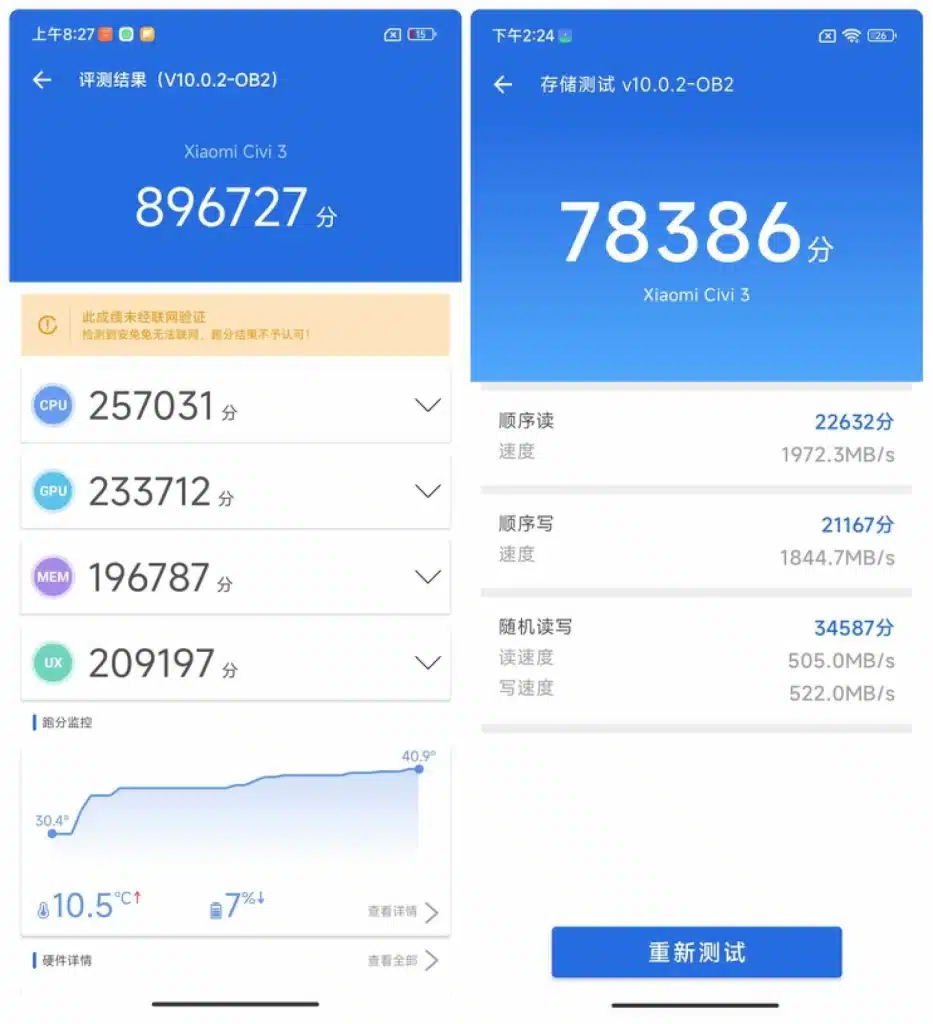
It can be said that with the integration of the Dimensity 8200-Ultra, the performance of the Xiaomi Civi 3 has reached a new level. Especially compared to the previous generation product, its performance specifications of it have entered the flagship level.
Game testing
Therefore, moving on to the gaming test, Gizcoupon made a comprehensive choice by selecting the challenging game “Genshin Impact” for actual testing.
In the game “Genshin Impact,” Gizcoupon chose the same graphics settings as flagship smartphones: high-quality graphics with a 60 FPS frame rate and disabled motion blur.
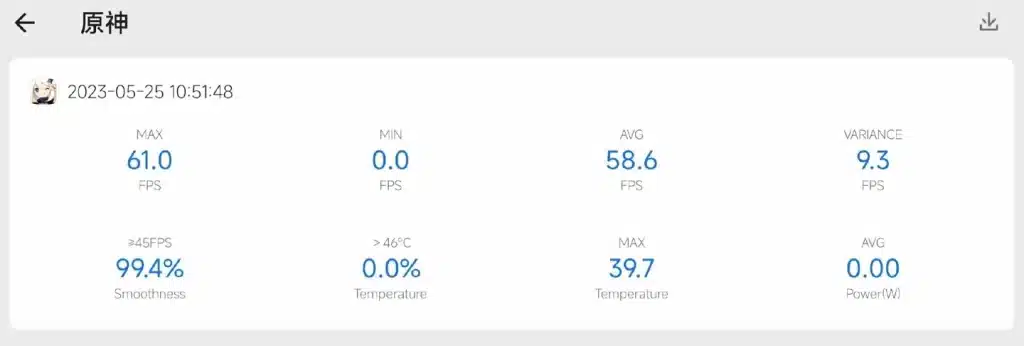
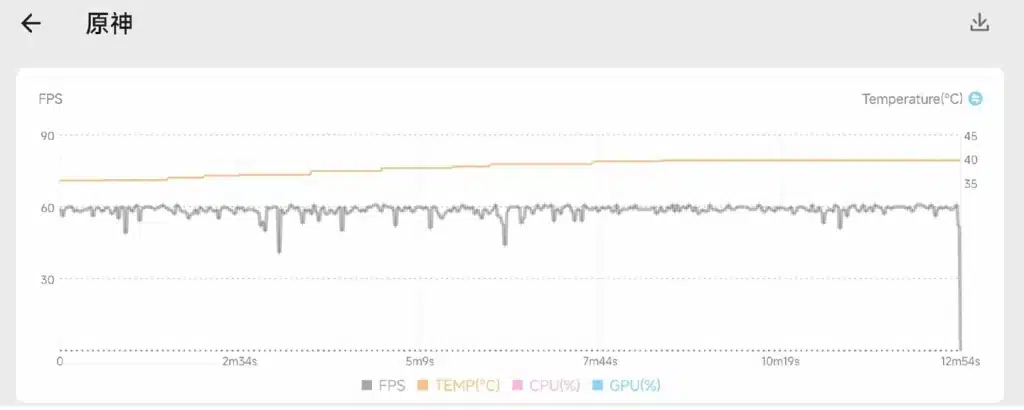
The final result shows that the Xiaomi Civi 3 achieved an average frame rate of 58.6 in “Genshin Impact.” Although there were occasional frame rate drops during gameplay, they did not significantly affect the overall experience, and the stability was relatively high.
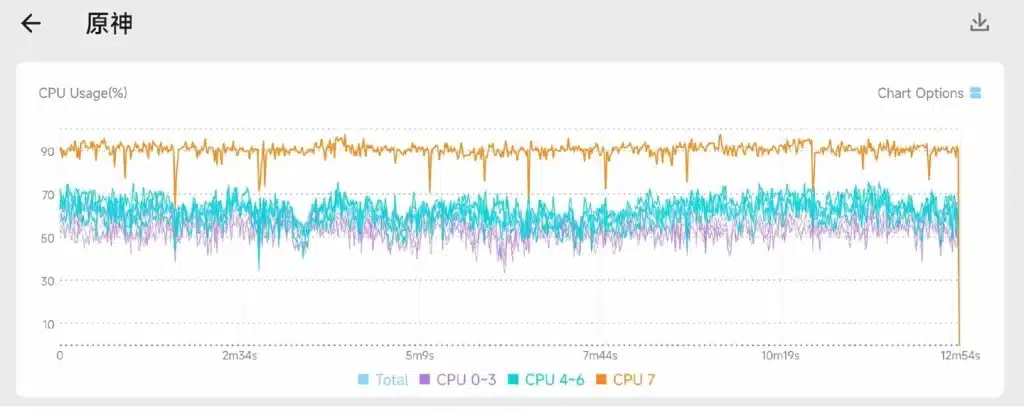
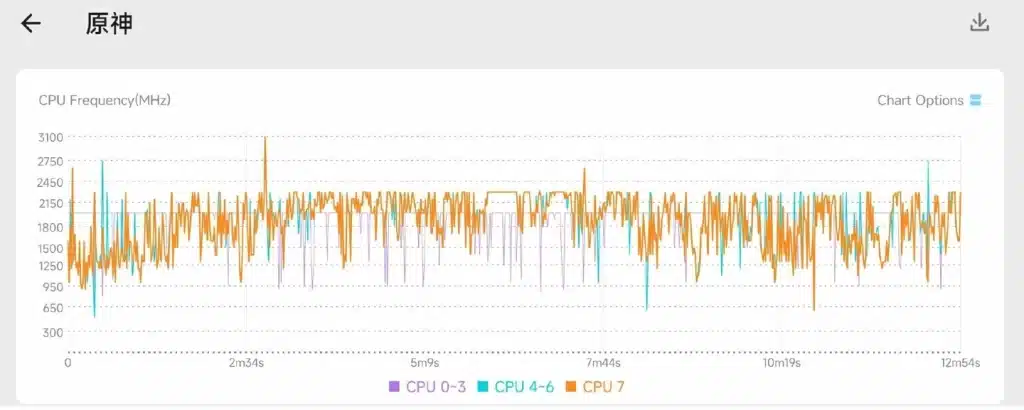
The core utilization graph shows that in the game “Genshin Impact,” the highest-performing core of the Dimensity 8200-Ultra, the 3.1 GHz Cortex-A78, was mostly utilized at around 90%.
Based on the actual test of “Genshin Impact,” the performance of the Xiaomi Civi 3 has basically met the minimum requirements of current flagship devices. However, it surpasses the previous generation Snapdragon 7 series by a wide margin, as the performance ceiling of the Dimensity 8200-Ultra is relatively high. It can handle games that flagship devices can play without any difficulties.
The performance in terms of heat dissipation
Lastly, let’s check its performance in terms of heat dissipation. For a lightweight and slim phone like the Xiaomi Civi 3, its advantages in gaming may be less pronounced. Many slim phones we have tested before often achieve a slim and sleek design but have average heat dissipation and temperature control performance.
The thermal performance of the Xiaomi Civi 3 can be considered average. For example, after 30 minutes of playing “Genshin Impact,” the maximum temperature on both sides of it remained around 43°C. Considering the test environment and the slim body design, this performance can be considered normal.
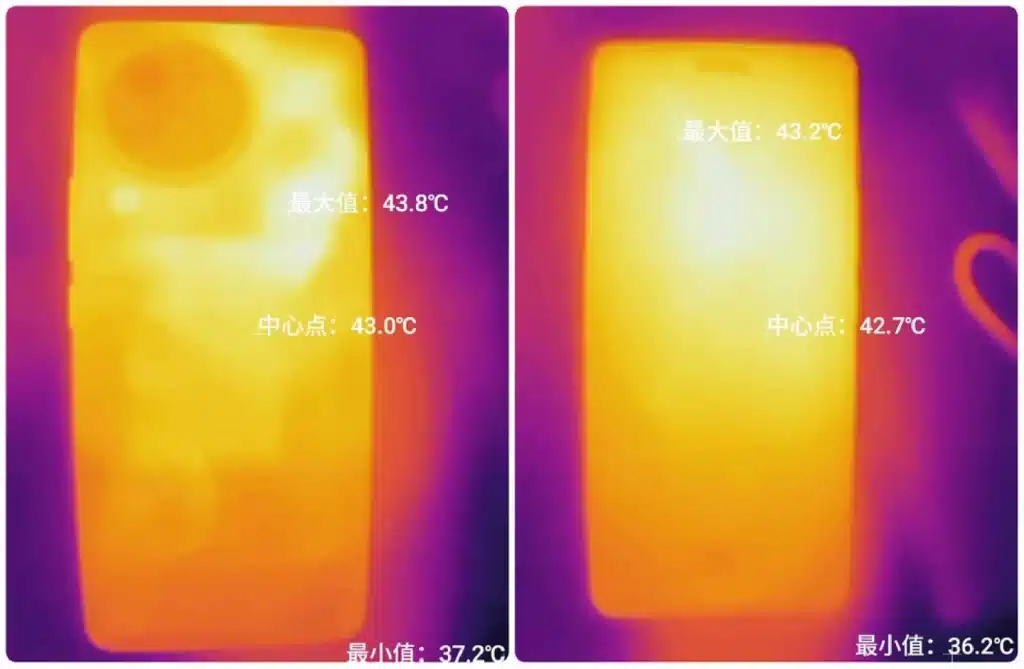
However, the performance optimization of the Xiaomi Civi 3 is relatively aggressive. Despite the increase in temperature, the device never throttled and consistently maintained stable gaming frame rates. This aspect is quite friendly for gamers.
Part 4: In conclusion
The Xiaomi Civi 3 is still a product that caters to the demands of being lightweight and focused on photography. These two points remain the core advantages of the Xiaomi Civi series.
Secondly, the Xiaomi Civi 3 has also emphasized performance upgrades this time. Whether it’s the debut of the Dimensity 8200-Ultra or the starting configuration of 12+256GB, there are noticeable improvements. Although it may not be considered “high-end,” it has at least stepped into the threshold of flagship-level devices.
Moreover, compared to products in the same positioning from other brands, the Xiaomi Civi 3 continues to uphold Xiaomi’s advantage of offering high cost-effectiveness. With a starting price of around $350, it is comparable to the standard versions of similar products from other brands. However, the experience it provides is closer to the “Pro” versions of its competitors. This is something Xiaomi is known for.
Therefore, if you enjoy taking selfies, appreciate a high-quality design, and prefer a lightweight and comfortable feel, then the Xiaomi Civi 3 is a suitable choice for you. Alternatively, if you are looking to replace the phone for your mother or sister within the price range of $420, the Xiaomi Civi 3 is also worth considering.